In overly simplified terms, the more tonnage you accumulate, the bigger your training effect will be. That said, the more tonnage you accumulate the longer you will have to wait before you’re recovered enough to train again. As with anything, there is an optimal dose-response relationship.
매우 단적으로 말한다면 더 많은 볼륨을 쌓을수록 훈련의 효과 또한 그에 비례하여 커진다. 하지만 볼륨이 많이 쌓일수록 다시 훈련할 수 있을 만큼 충분히 회복되기까지 더 많은 시간이 필요함을 항상 명심해야 한다. 다른 사례들과 마찬가지로, 볼륨 또한 용량-반응 곡선(figure.3)에서 최적의 좌표가 존재한다.
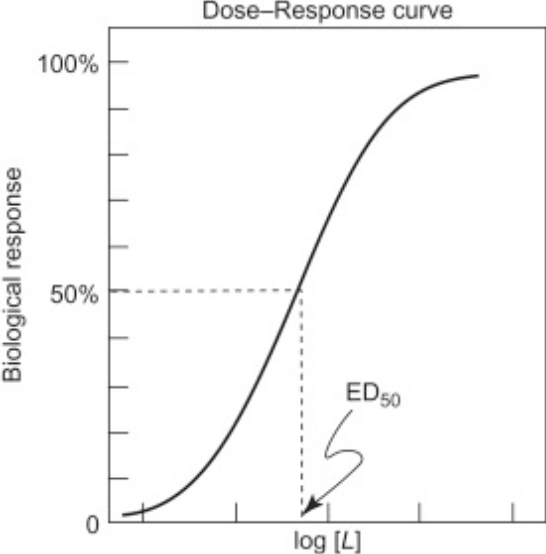
figure.3
+용량-반응 관계(dose-response relationship): 특정 화학 물질에 대해 생물체에서 나타나는 반응, 또는 효과 간의 관계로, 일반적으로 x축의 용량에 log를 취하여 분석하기 쉬워진 시그모이드(기울어진 s자) 형태의 곡선을 통해 나타내는데, 이렇게 만들어진 용량-반응 곡선은 양 극단에서 중심으로 갈수록 기울기가 가팔라지는 특성이 있다.-출처: 나무위키
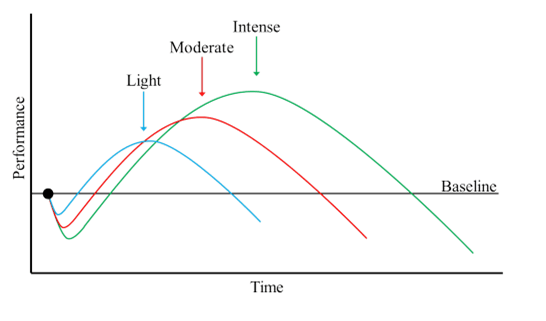
Volume vs. Recovery: the bigger the dose of volume you provide, the larger the effect, but the larger the recovery period as well. None of options these are “right” nor “wrong”;
볼륨 vs 회복: 취하는 볼륨의 양이 늘어날수록 훈련의 효과는 커지지만, 동시에 회복 기간 또한 늘어난다. 어떠한 선택을 할지라도 그것에 대해 옳고 그름을 나눌 수 없다.
Intro to Frequency
빈도
Training organization is beyond the scope of this article, but I would be remiss to discuss training variables without touching upon the topic of frequency. Frequency is simply how often you train per week. Usually, frequency is discussed in terms of each lift. So, if you squat three times a week, bench four times a week, and deadlift twice, your training frequency for each lift is the respective amount of times you perform that lift each week.
훈련의 구성(혹은 조직)은 이 아티클에서 말하고자 하는 범위를 넘어서지만, 빈도에 대해 언급하지 않은 채로 훈련의 변인에 대해 논하는 것은 충분치 않기에 설명은 하려한다. 간단히 말해서, 빈도는 일주일에 얼마나 자주 훈련하느냐를 의미한다. 일반적으로 빈도는 각각의 리프트에 대응하여 논의되는데, 이를테면 스쿼트 빈도 3은 스쿼트를 주당 3번 수행한다는 것이다.
As I’ve alluded to above, frequency, in terms of fatigue management, is both a game of timing and of dose-response relationships. When you take too much time between training sessions, you begin to detrain. Likewise, if you do not take enough time to recover, you’ll begin to overtrain.
앞에서 살짝 언급하였듯이 피로 관리 측면에서의 빈도는 훈련 시기와 용량-반응 관계 사이의 조율이다. 훈련 세션 사이에 너무 많은 시간을 휴식하면 디트레이닝이, 반대로 회복하기까지 충분히 시간을 들이지 않으면 오버트레이닝이 올 것이다(figure.4).

figure.4
The goal is to time training in such a way that you’re always introducing the next stressor at the peak of your adaptation to the previous one. If you can do so, you’ve optimized your frequency.
그렇기에 수행자는 항상 이전 자극에 대한 적응이 정점에 이르렀을 때 다음 자극을 받아야 한다. 만일 어떤 수행자가 그렇게 할 수 있다면, 그 수행자는 빈도를 최적화한 것이다(figure.5).
figure.5: This is optimal frequency
Volume vs. Frequency
볼륨 vs 빈도
The confounding factor here is the dose-response relationship of volume on training effect. As I previously stated, the more volume you do, the larger the training effect will be at a given intensity. And yet, the more volume you do, the longer you will take to recover. So in actuality optimal frequency follows optimal volume. If you’re doing more volume per session, you’ll need less frequency and visa versa.
자, 여기서 문제가 되는 부분은 훈련 효과에 대한 볼륨의 용량-반응 관계이다. 앞에서 말했듯이 더 많은 볼륨을 취할수록 해당 강도에서 얻을 수 있는 훈련의 효과는 더욱 커질 것이다. 그러나 수행자는 볼륨을 많이 취할수록 회복에 더 오랜 시간이 걸리는 것도 고려하여야 한다. 그래서 실제로는 최적의 빈도는 최적의 볼륨을 따르게 된다. 세션 당 더 많은 볼륨을 취하기 위해선 빈도는 필연적으로 줄게 되고, 그 반대도 마찬가지이다(visa versa가 뭔가 했는데, 걍 vice versa오타인 듯).
I can hear you asking already, “Well, how does one optimize the volume dose”? Let me just state that this is an incredibly complex question to answer. That said, I’ll do my best to answer simply.
여기까지 왔으면 아마 다음과 같은 의문이 들 것이다. “볼륨의 양은 어떻게 최적화할 수 있는가?” 이는 대답하기 상당히 복잡한 질문이긴 하나, 최선을 다해 간단히 답변하도록 하겠다.
Consider the sun tan analogy one more time. The more unadapted you are, the more pale your skin is, the less time you need in the sun in order to produce an adaptation. Tanning longer than this minimum required time for adaptation increases the chances of burning and, at a point, you’ll begin to experience diminishing marginal returns on the additional exposure time.
아까 선탠의 예시를 다시 떠올려 봐라. 적응이 덜 될수록 피부색은 옅어지고, 적응을 위해 태양빛을 쬐어야 하는 시간은 감소한다. 적응을 하는데 필수적인 최소의 시간보다 더 오래 태양빛을 쬐면 피부에 화상을 입을 가능성이 높아질뿐더러 어느 한 지점을 지나면 들인 시간대비 보상이 처음처럼 많지 않아지게 된다.
In other words, the relationship between volume and training effect is not linear. Past a certain point, the benefits you accrue from additional volume decrease in relationship to that volume. For example, hypothetically, let’s say that you know doing 405x5x5 will increase your 1RM by 5lbs. 405x5x10 will not increase your 1RM by 10lbs even though the volume is twice as high. Maybe you’ll get 7.5lbs.
다시 말해 볼륨과 훈련 효과 간의 관계는 선형의 형태를 띠고 있지 않다는 말이다. 특정 지점을 지나면 추가적인 볼륨의 축적으로 얻게 되는 이득은 감소하게 된다. 예를 들어 405×5×5를 수행하면 1rm이 5lbs 증가한다고 가정했을 때, 405×5×10을 수행한다면 비록 그 볼륨은 405×5×5를 수행했을 때보다 2배 더 많다고 하더라도, 1rm은 5lbs의 2배인 10lbs가 증가하진 않을 것이다. 아마 기껏해야 7.5lbs 정도 증가할 것이다.
The High Volume Trap
고볼륨의 함정
Wait a minute. If you get a bigger training effect, why not just do more volume anyway? One answer is that there are practical limitations to how long and how often we can train as athletes. If your body becomes adapted to 405x5x10, guess what you have to do to produce further adaptations? Even more volume! At some point, you’re going to run out of resources in terms of time, energy, and willingness. Most of us are not professional athletes with the ability to spend 6-8 hours training every single day.
“잠깐, 어찌되었든 간에 훈련효과를 더 키울 수 있다면, 더 많은 볼륨을 취하는 편이 이득 아니야?” 이 질문에 대한 첫 번째 답변은 일단 수행자가 선수로서 얼마나 오래, 그리고 얼마나 자주 훈련할 수 있는지에 대해 현실적인 한계가 있다는 것이다. 수행자가 405×5×10이라는 고볼륨 훈련에 적응했다고 가정해보자. 이때 이 수행자의 추가적인 적응을 위해 필요한 것은 무엇이냐. 바로 더 많은 볼륨이다. 처음엔 버틸 수 있으나, 어느 순간 시간과 에너지 그리고 열정이라는 자원이 고갈될 것이다. 우린 매일 6~8시간을 운동할 수 있는 프로 선수가 아님을 망각해서는 안 된다.
The second answer is that you’re actually short-circuiting your long term potential by hopping on a high volume program too early. Why? Well, if you work up to 5×10 slowly, you will have gone through more stress-recovery-adaptation cycles to get to that level of volume tolerance than the guy who jumped to 5×10 right off the bat.
두 번째 답변은 고볼륨 훈련에 너무 일찍 발을 담구는 것은 수행자의 장기적인 잠재력을 저하시킨다는 것이다. 왜냐하면 바로 5×10으로 훈련한 사람은 5×5에서 5×10까지 천천히 진행한 수행자보다 더 적은 자극-회복-적응 사이클을 거치게 되기 때문이다. 5×5에서 5×10까지 천천히 진행한 수행자는 그 수준에서의 볼륨에 내성을 갖추기 위해 상대적으로 더 많은 자극-회복-적응 사이클을 거치게 된다(figure.6).
figure.6: 일반 적응 증후군
To make it plain, you’re going to be stronger than your competitors at the same level of volume because you’ll be more adapted than they are. Your competitor who did 405x5x10 may initially pass you with his 7.5lbs jump to your 5lbs jump, but by the time you work up to 5×10, you’ll have experienced many 5lbs jumps rather than just one 7.5lbs jump. You’ll improve the entire time without pushing your volume tolerance needlessly high.
단언컨대, 5×5에서 5×10까지 천천히 진행한 수행자는 동일한 수준의 볼륨에서 그렇게 진행하지 않은 수행자보다 더 강할 것이다. 더 적응을 많이 할 것이기 때문이다. 405x5x10을 한 수행자가 처음에는 7.5lbs의 증량으로 살짝 앞서갈 수 있지만, 천천히 진행한 수행자는 5×10에 도달할 때까지 한 번의 7.5lbs 증량보다 더 많은 수의 5lbs 증량을 경험하게 될 것이다. 이 경우 수행자는 신체의 볼륨 내성을 키우려 애쓸 필요 없이 훈련의 효과를 전체적으로 향상시킬 수 있다.
Optimal Frequency
최적의 빈도
To bring this back to a head, your frequency is determined by the total volume you do and your recovery time from that volume. If you’re at the point in your training where you can do enough volume in one session to produce an adaptation, your frequency might be something like twice a week – recovery permitting.
빈도는 수행자의 총 볼륨과 그 볼륨으로부터 회복되는 시간에 기초하여 결정되어진다. 만일 수행자가 한 세션만으로 적응이 이루어지는데 필요한 충분한 양의 볼륨을 취할 수 있다면, 회복이 가능한 최적의 빈도는 주당 2세션일 것이다.
However, eventually, you’ll reach a point where doing the amount of volume that you need to do is too time consuming for a single training session. Once you’ve hit this point, it becomes necessary to split the workload across several days. In this manner, training frequency increases over time in step with the increase in training volume that occurs over the course of any athlete’s training career. Practicalities are our guide here. If you’re in the gym for four hours for a single training session, it might be time to increase frequency.
그러다가 결국 한 세션만으로 적응에 필요한 볼륨을 취하기까지 너무 많은 시간이 소모되는 지점에 이르게 되는데, 이 경우 불가피하게 볼륨을 며칠에 걸쳐 분할하여야 한다. 이처럼 빈도는 수행자의 볼륨이 증가함에 따라 증가하게 된다. 우린 실용성을 고려하여야 한다. 한 세션을 위해 4시간이 소모된다면, 빈도를 늘려야 될 때가 온 것일 수 있다.
The key takeaway from this discussion on frequency is the fact that you want to time your workouts relative to your recovery periods; you want to time your next dose of stress exactly as your performance is peaking from the last dose.
이 빈도에 대한 논의의 요점은 수행자가 수행자의 운동을 본인의 회복주기에 맞추어야 한다는 것, 즉, 수행자는 이전 자극에 대한 회복이 완료되고 퍼포먼스가 절정에 이른 시점에서 다시 자극(운동)을 주어야 한다는 것이다.
ps. 이거 번역 다 하고 밑에 관련된 글 링크 써져있나 내려봄.
음음. 할 게 많구만 하고 있었는데.
띠용? 시바 어디서 많이 보던 게 보임.
ㅋㅋㅋ 존나 프로그램 리뷰만 봤지 원리 파트는 안 봐서 있는 줄을 몰랐네.
여튼 다른 거 보고 싶은 사람들은 이 블로그 가서 보믄 됨. 헛고생 지렸다.
블로그 링크-https://blog.naver.com/rlatn9828








댓글 영역